
When we talk about antibiotic stewardship, the practice of using antibiotics only when needed and in the right way to prevent resistance. Also known as antibiotic optimization, it’s not just a hospital policy—it’s something that affects every person who’s ever taken a pill for a sore throat or ear infection. Antibiotics save lives, but every time they’re used unnecessarily, we edge closer to a world where common infections become deadly again. The World Health Organization calls antibiotic resistance one of the biggest threats to global health. And it’s not happening in some distant lab—it’s happening because someone took leftover antibiotics for a cold, or got prescribed them when they weren’t needed.
Antibiotic stewardship isn’t about avoiding antibiotics altogether. It’s about matching the right drug to the right bug at the right dose for the right length of time. That’s why antibiotic resistance, when bacteria evolve to survive antibiotic treatment is so dangerous. It turns simple infections into medical emergencies. And it’s directly tied to antibiotic misuse, taking antibiotics for viral infections like colds or flu, skipping doses, or stopping early because you feel better. These habits don’t just hurt you—they spread resistant bacteria to your family, your coworkers, and your community. The posts here show real consequences: people skipping doses because of side effects, buying antibiotics online without prescriptions, or using old meds because they’re "just in case." Each of those choices chips away at our ability to treat infections.
What you’ll find in this collection isn’t theory—it’s practical truth. You’ll see how antibiotic stewardship connects to everyday decisions: why tetracycline bought online is risky, how sulfonamide allergies affect treatment choices, why some blood pressure meds trigger gout, and how alternatives to antibiotics are being explored. These aren’t random articles. They’re pieces of a larger puzzle: how we use drugs, how we misunderstand them, and how we can do better. Whether you’re managing a chronic condition, caring for a child, or just trying to avoid unnecessary pills, this is your guide to making smarter choices. The goal isn’t to scare you—it’s to give you the facts so you can protect yourself and help protect everyone else.
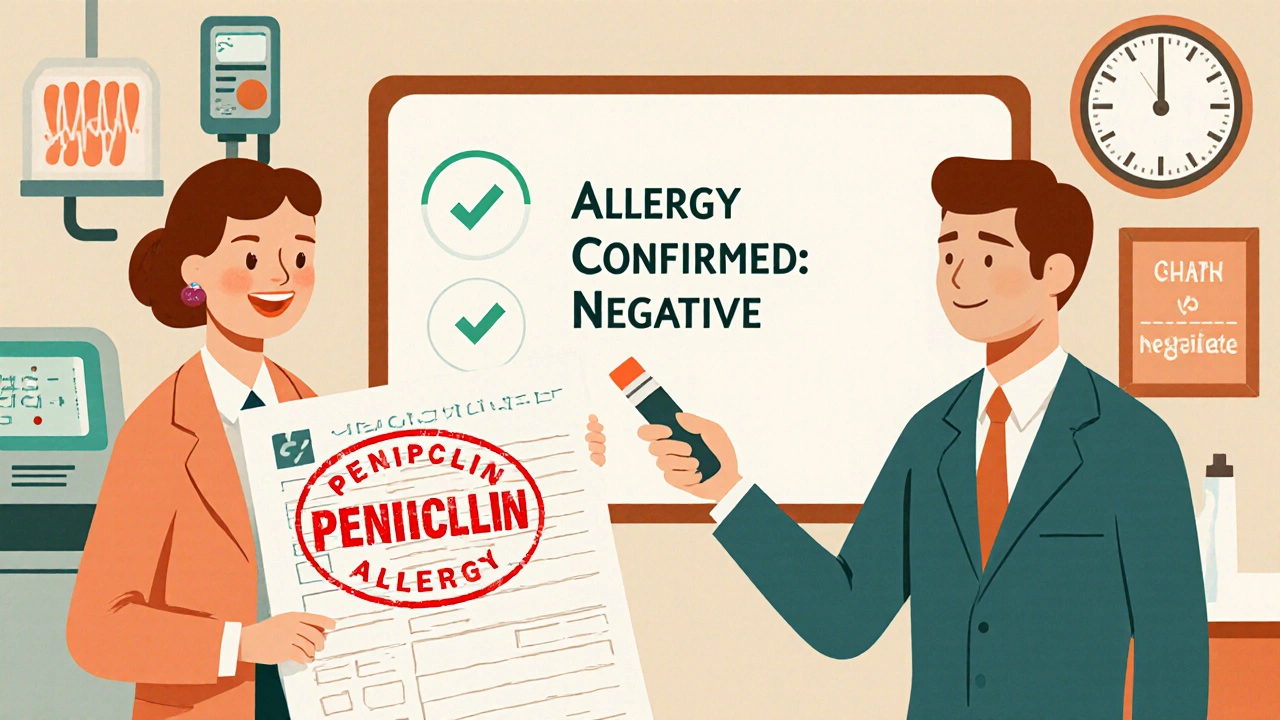
Penicillin allergy labels are often wrong and lead to riskier, costlier antibiotics. Accurate testing can safely remove these labels, reduce infections like C. diff, and improve treatment outcomes for millions.