
When your body overreacts to something harmless—like peanuts, bee stings, or certain medicines—it can trigger anaphylaxis, a sudden, severe, and potentially fatal allergic reaction. Also known as anaphylactic shock, it can shut down breathing, drop blood pressure, and kill within minutes if not treated fast. This isn’t just a scary word from a medical textbook—it’s a real, daily risk for millions who carry an epinephrine auto-injector, a handheld device that delivers life-saving medication during an emergency in their bag.
Anaphylaxis prevention isn’t about living in fear—it’s about knowing your triggers and having a clear plan. The most common causes? Foods like peanuts, tree nuts, shellfish, and milk; medicines like penicillin or NSAIDs; insect stings; and latex. But here’s the thing: many people think they’re allergic to something, but they’re not. That’s why penicillin allergy testing, a simple skin test that can prove whether you truly react to penicillin matters so much. If you’ve been told you’re allergic but never tested, you might be avoiding safe, effective drugs and ending up on riskier ones. Same goes for sulfonamide allergy, a label that’s often wrongly applied to drugs like diuretics or diabetes pills. Getting it right means you get better treatment, not just avoidance.
Prevention starts with three things: identification, avoidance, and readiness. Get tested if you’ve had a reaction. Keep a written list of your triggers and share it with every doctor, dentist, and pharmacist. Read labels—every time. Even if you’ve eaten something before without issue, ingredients can change. Always carry two epinephrine auto-injectors. One might not be enough. Know how to use it—practice with a trainer device. Teach your family, coworkers, even your kids. And never wait to use it. If you’re unsure whether it’s anaphylaxis, use it anyway. Delaying treatment increases the chance of death.
It’s not just about what you avoid—it’s about what you do next. After a reaction, follow up with an allergist. They can help you understand your risks, update your emergency plan, and sometimes even reduce your sensitivity over time. New research is showing that early, controlled exposure to certain allergens might lower future risk in kids. But for now, the best defense is still knowing your enemy and being ready to fight it.
Below, you’ll find real stories and practical guides from people who’ve lived through this—how they learned their triggers, what worked to stay safe, and how they handle the anxiety that comes with it. No fluff. Just what you need to know to keep yourself and your loved ones protected.
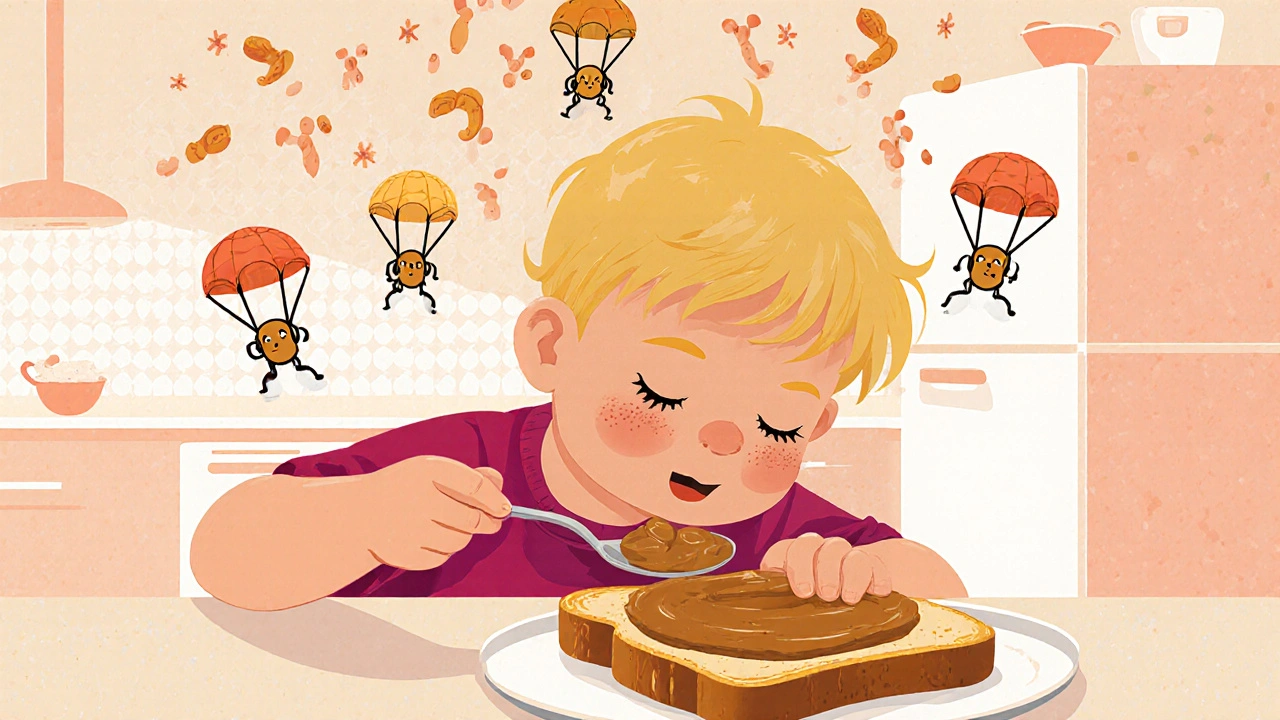
IgE-mediated food allergies can trigger life-threatening anaphylaxis. Learn how early food introduction, skin care, and epinephrine use prevent reactions-and what new treatments are changing outcomes.